


Defrosting the appliance 23 Cleaning the appliance 24
Environmental aspects
Disposal of packaging and appliance 27
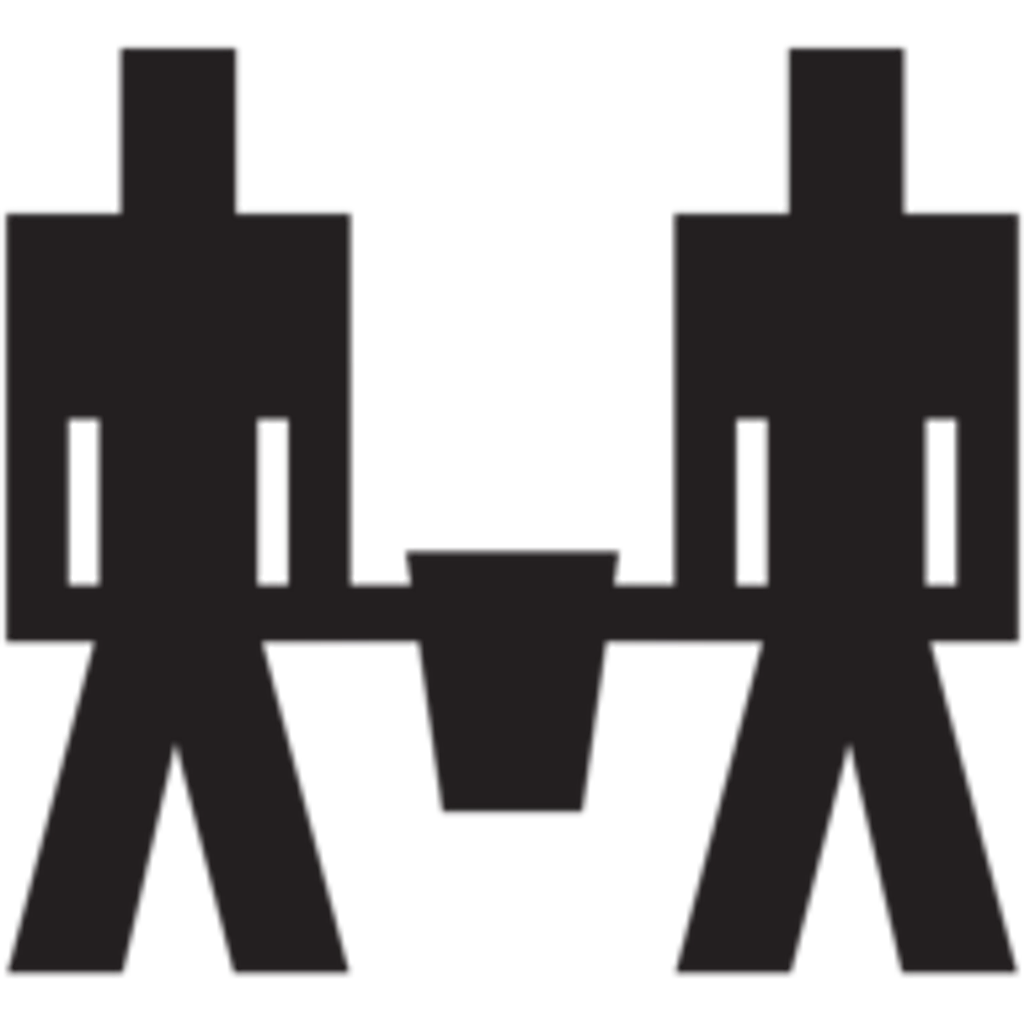
Faults table 25 · Pictograms used

Congratulations on choosing this Etna refrigerator. This product is designed with simple operation and optimum comfort in mind.
These instructions for use explain how you can make best use of this appliance. These instructions contain information about the operation of the appliance and background information that may be of help to you during its use.
Read these instructions thoroughly before you first use the appliance, and keep the instructions for future use.

Before the installation and use of the appliance, carefully read the supplied instructions. The manufacturer is not responsible if an incorrect installation and use causes injuries and damages. Always keep the instructions with the appliance for future reference.
Original instruction

General safety

Installation

Electrical connection

Use

Disposal

Do not connect the appliance to the mains until you have carefully read the instructions for the correct and safe use of the appliance. As these instructions are for various types and models, it is possible that the instructions for use refer to settings or parts that are not available on your appliance. We recommend that you keep these instructions for future use. If you sell the appliance, enclose them with the appliance.
Inspect the appliance for damage and/or irregularities. If the appliance is damaged, contact the store that sold you the appliance.
Allow the appliance to stand upright for at least 4 hours before you connect the appliance to the mains. This reduces the risk of malfunctions resulting from transport effects on the refrigerant unit.
Before using the appliance for the first time, the interior and all internal accessories should be cleaned with lukewarm water and a neutral cleaning agent. Wipe the cleaned parts with a cloth with clean water and then dry them thoroughly.
If you use the appliance for the first time, do not put food into the appliance until the temperature has decreased to the set temperature.


≤ 75% N (normal) +16 °C to +32 °C
Do not place the appliance in a room where the temperature can fall below 5 °C: the appliance may not work properly or become defective!
The appliance is not suitable for outdoor use and may not be exposed to rain.
Place the appliance in a room with a sufficient volume of air. The room must have a volume of at least 1 m3 of air for every 8 grams of refrigerant. The quantity of refrigerant is shown on the type plate on the inside of the appliance.

Space required in use Overall space required in use
Make sure there is sufficient space around the appliance so a good ventilation and air flow around the appliance is possible.

When you are not going to use the appliance for a longer period then switch it off with the appropriate key and disconnect it from the mains. Empty, defrost and clean the appliance, and leave the door ajar.
Freeze burn hazard To avoid freeze burn, never put frozen food in your mouth and do not touch frozen food.
In the event of a defect or power cut, do not open the freezer compartment unless the appliance has been out of operation for more than the hours indicated on the appliance’s type plate (temperature rise time). After this time, you must either use the frozen food or
make sure that it is properly cooled (for example, by transferring it to another appliance).


1. Remove the cover plates (1) and the screws (2). 2. Remove the top cover (3) and the cover plate (4). 3. Remove the screws (5) and the upper hinge (6). 4. Carefully lift the door from the lower hinge and place it on a padded surface to prevent scratching. 5. Remove the plug (7) from the top of the door and place it on the opposite side. 6. Remove the screws (8) and the lower hinge (9). 7. Unscrew the adjustable foot (10) and place it on the opposite side. 8. Fit the lower hinge (9) on the opposite side with the screws (8). 9. Slide the door back on to the lower hinge, making sure that the lower hinge pin fits into the lower hole of the door. 10. Fit the upper hinge (6) on the opposite side with the screws (5). 11. Place the cover plate (4) on the opposite side in the top cover (3). 12. Fit the top cover (3) with the screws (2). Place the cover plates (1).


1. Open the freezer compartment door a little. Using a small screwdriver, press the spring in the opening of the lower door bearing and remove the door. 2. Position the covering cap M on the opposite side. 3. Turn the freezer compartment door 180 degrees and fit the lower door bearing into the lower bearing cavity of the freezer compartment door. 4. Fit the door in the upper door bearing and at the same time insert the lower door bearing into the square hole.


This user manual covers different models. It is possible that certain options or accessories do not apply to your appliance.


For appliances with a freezer compartment a setting between ‘4’ and ‘7’ is advised when frozen products are stored for a longer period.
The day before you want to freeze large amounts of fresh food at the same time, you can set the thermostat knob to the lowest temperature setting. Set the thermostat knob to the normal position when the food is frozen.

Store food that spoils rapidly at the back of a shelf or at the back of the drawer at the lowest temperature.
Do not store fruit (bananas, pineapples, papaya, citrus fruits) and vegetables (courgettes, tomatoes, aubergines, cucumber, sweet peppers and potatoes) that are sensitive to low temperatures in the refrigerator.
Freezer compartment (if present) • For freezing fresh food and to store frozen foods.
Do not store lettuce, eggs, apples, pears, grapes, peaches, yoghurt, buttermilk, sour cream or mayonnaise in the freezer.


Freezing large quantities of fresh food • The day before you want to freeze large amounts of fresh food at the same time, you can set the thermostat knob to the lowest temperature setting. Set the thermostat knob to the normal position when the food is frozen.

Recommended storage times of frozen food in the freezer
Type of food Storage life
Fruit, beef 10 to 12 months
Vegetables, veal, poultry 8 to 10 months
Venison 6 to 8 months
Pork 4 to 6 months
Finely chopped or minced meat 4 months
Bread, pastas, cooked dishes, whitefish 3 months
Smoked sausage, bluefish 1 month
Offal 2 months

Automatic defrost of the refrigeration compartment The refrigeration compartment defrosts automatically from time to time. The presence of water drops on the back wall at the inside of the refrigerator indicates that the appliance is busy defrosting automatically. The defrost water runs through the drainage spout to a receptacle where it evaporates.
Ensure that the drain outlet is clean. You can clean a clogged drain with a satay stick, for example.

Defrosting the freezer compartment (if present) After a period of time, frost will build up in certain areas in the freezer compartment. The frost, accumulated in the freezer compartment, should be removed periodically. If the frost layer exceeds 3-5 mm, it is necessary to defrost the freezer compartment completely to maintain the efficiency of the freezer.
The day before you defrost, set the thermostat dial to the lowest temperature setting to freeze the foods completely.
hazardous to health. • Water collected at the bottom basket of the appliance should be mopped with a sponge or highly absorbing cloth.

Switch off the appliance and and disconnect it from the mains before you start cleaning it.
Do not use abrasive cleaning agents, as they can damage the surface.
The day before you clean, set the thermostat dial to the lowest temperature setting to freeze the foods completely.
When you are not going to use the appliance for a longer period then switch it off and
disconnect it from the mains. Empty, defrost and clean the appliance, and leave the door ajar.

When you have any doubts about whether your appliance is working properly you should not immediately assume that it is defective. We recommend that you should in any case check the points in the following table.
Symptom Possible cause Solution
The appliance emits a slight odour when used for the first time.
New appliance. This is normal and disappears when the appliance starts cooling.
The appliance does nothing; the lighting does not come on.
Plug not in socket. Insert the plug in the socket.
Thermostat off. Adjust the thermostat to the correct setting.
Temperature inside the appliance too high or too low.
Thermostat setting incorrect. Adjust the thermostat properly.
The door seals are dirty or the seals are damaged.
Clean the door seals. Call the service centre if the door seals are damaged.
Water runs from the refrigerator.
Defrost water drain clogged. Clean defrost water drain (see "Defrost").
Appliance makes a noise. Incorrect positioning of food in the appliance.
Place foods in the proper manner in the appliance.
There is an object against the appliance.
Remove the object.
The LED lighting does not work.
LED-lamp faulty. Call an authorized service technician. Do not attempt to replace the LED lighting by yourself.
Ice building up. Door freezer compartment not closed properly.
Make sure that the door is closed properly.
Freezer compartment is not periodically defrosted.
Defrost the freezer compartment to remove the ice.
The door seals are dirty or the seals are damaged.
Clean the door seals. Call the service centre if the door seals are damaged.

If you are unable to solve the problem then contact the service centre. When you do so, state the type, model and serial number shown on the type plate or label on the inside of the appliance.

This appliance is made from sustainable materials. This appliance must be disposed of in a responsible manner at the end of its service life. Contact the local authorities for information about the method.
See also the chapter ‘Disposal’ in the Safety instructions.
These materials must be disposed of in a responsible manner and in accordance with government regulations.
The appliance is marked with a crossed out wheeled bin symbol to draw your attention to the requirement for the separate disposal of domestic electrical appliances. This means that the appliance may not be disposed of in unsorted household waste at the end of its service life. The appliance must be taken to a special municipal waste processing location for separated waste or to a dealer who provides this service.
Collecting and disposing of domestic appliances separately avoids detrimental consequences for humans and the environment. This ensures that the materials used to make the appliance can be recovered and that substantial savings in the use of energy and raw materials can be achieved.
Declaration of conformity We hereby declare that our products conform to the applicable European Directives, Regulations and requirements, as well as all requirements in the standards to which reference is made.


De gebruiksaanwijzing is ook te vinden op onze website: The instructions for use can also be found on our website:
Common problems, likely causes, and what to do.
| Problem | Possible cause | Remedy | |
|---|---|---|---|
| The appliance emits a slight odour when used for the first time. | New appliance. | This is normal and disappears when the appliance starts cooling. | p.24 |
| The appliance does nothing; the lighting does not come on. | Plug not in socket. | Insert the plug in the socket. | p.24 |
| The appliance does nothing; the lighting does not come on. | Thermostat off. | Adjust the thermostat to the correct setting. | p.24 |
| Temperature inside the appliance too high or too low. | Thermostat setting incorrect. | Adjust the thermostat properly. | p.24 |
| Temperature inside the appliance too high or too low. | The door seals are dirty or the seals are damaged. | Clean the door seals. Call the service centre if the door seals are damaged. | p.24 |
| Water runs from the refrigerator. | Defrost water drain clogged. | Clean defrost water drain (see "Defrost"). | p.24 |
| Appliance makes a noise. | Incorrect positioning of food in the appliance. | Place foods in the proper manner in the appliance. | p.24 |
| Appliance makes a noise. | There is an object against the appliance. | Remove the object. | p.24 |
| The LED lighting does not work. | LED-lamp faulty. | Call an authorized service technician. Do not attempt to replace the LED lighting by yourself. | p.24 |
| ce building up. | Door freezer compartment not closed properly. | Make sure that the door is closed properly. | p.24 |
| ce building up. | Freezer compartment is not periodically defrosted. | Defrost the freezer compartment to remove the ice. | p.24 |
| ce building up. | The door seals are dirty or the seals are damaged. | Clean the door seals. Call the service centre if the door seals are damaged. | p.24 |
Owners and our team usually reply within a day — and your question helps the next person too.
Be the first to ask — other owners or our team will answer.